

Publications

/

Publications

After medical school; what next? A survey on graduating medical students’ choice of a postgraduate study program.

Not all medical students want to further their education after bagging a medical degree. Even among those who want to further, not all of them want to pursue postgraduate disciplines in clinical medicine. This study aims to explore the postgraduate disciplines desired by the graduating medical students of the Usmanu Danfodiyo University (UDU), Sokoto, Nigeria, and also explore the factors that influenced their choice of a postgraduate study program. Methods: This study surveyed a cross section of 63 graduating medical students of the UDU using a well-structured anonymous questionnaire. Data obtained was analyzed using the SPSS version 16 software. Results:

Authors:

Kanmodi, K. K., Moshood, A. A., Adesina, I. O.

Year:

Does mentoring matters in medical students’ choice of career in Anaesthesia? An exploratory study on career choice and factors limiting mentoring opportunities in two Nigerian medical schools.

To evaluate medical students in two south-western Nigerian medical schools on the impact of teacher-student mentoring on their choice of career in Anaesthesia and also explore the reasons why they had not benefited from mentorship by the anaesthetist. This research was a cross-sectional study conducted among medical students at the University of Ibadan and the Olabisi Onabanjo University (OOU), Nigeria. Study tool was a self-administered anonymous questionnaire. Information on participant's status on benefiting from mentorship in Anaesthesia was obtained. They were also requested to provide the reasons why they were not able to get such mentorship opportunities. Data collected from

Authors:

Badru, A. I., Kanmodi, K. K.

Year:

Trichotillomania: Hair Pulling Disorder

Trichotillomania, also known as hair pulling disorder, is a chronic psychiatric condition common among women. It is a condition that causes impairment in social, occupational, or other important areas of functioning. The rate of presentation of such cases to medical practitioners is low, as affected individuals conceal it because of the shame associated with hair pulling behaviour. This makes the aetiology and management of the condition to be fairly understood; creating the need for extensive empirical research. This paper discusses the clinical and epidemiological features of trichotillomania and its management.

Authors:

Olusoji, E. B., Adesina, M. A., Kanmodi, K. K.
Year:

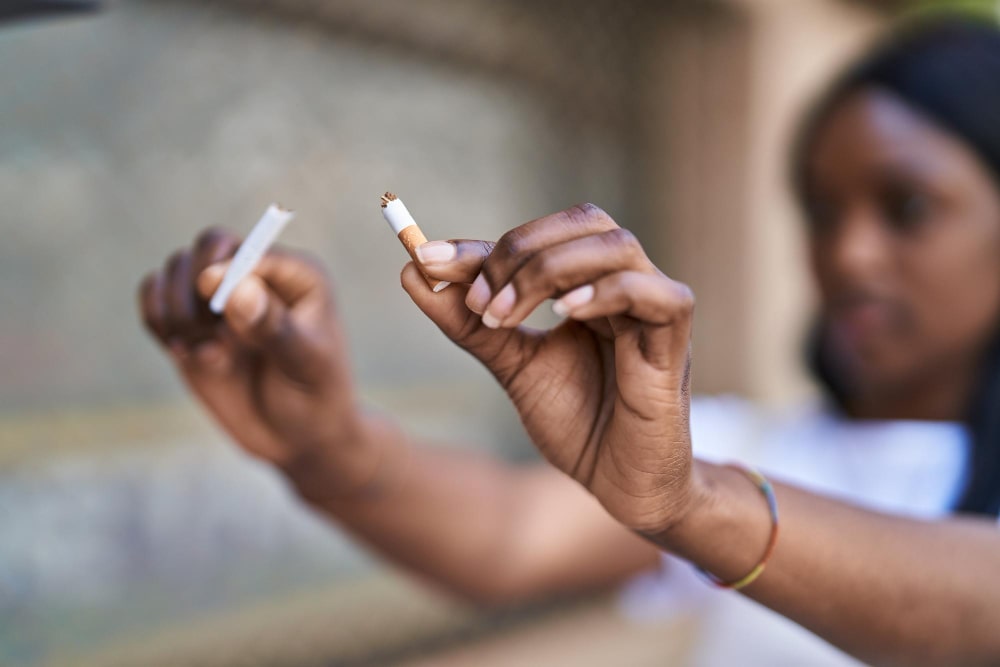
Secondhand tobacco smoke exposure and attitudes towards tobacco ban: A pilot survey of secondary school students in Ibokun Town, Nigeria.

Secondhand tobacco smoke continues to be responsible for the deaths of many people yearly. Objectives: To explore the prevalence of recent exposure to secondhand tobacco smoke. Methods: A cross-section of 198 Grades 10 to 12 students from two conveniently selected secondary schools in Ibokun, Nigeria, was surveyed in this questionnaire-based study. Information on biodata, exposure to secondhand tobacco smokes, school’s enforcement of tobacco ban policy, and attitudes towards ban of public advertisement, sales and smoking of tobacco were obtained from each participant.

Authors:

Fagbule, O. F., Kanmodi, K. K., Aladelusi, T. O.

Year:

Physiotherapeutic Management of People Living with HIV/AIDS

The Human immunodeficiency virus (HIV) is a lentivirus that causes HIV infection, and over time Acquired immunodeficiency syndrome (AIDS). HIV infection (simply called HIV at its early stage; while AIDS at its later stage) is a very prevalent disease condition affecting about 36.7 million people, both young and old, globally. Sadly, HIV/AIDS affect almost all the systems in the body (particularly the neurological and musculoskeletal systems), which may result into physical disability. Physiotherapists are known to play important roles in the management of physical disability. In this paper, authors gave a discuss on the clinical and epidemiological features of HIV/AIDS

Authors:

Adesina, M. A., Kanmodi, K. K.

Year:

Does head and neck cancer (HNC) education have impact on adolescents‟ knowledge and attitude towards HNC and HNC peer education? An example from Nigeria

Health education has been found effective in reducing the prevalence of risky pro-cancer behaviors among adolescents. For this reason, the Cephas Health Research Initiative Inc, Nigeria, embarked on the CHANCE (Campaign for Head and Neck Cancer Education) Program to reduce the prevalence of head and neck cancer (HNC) risk factors among Nigerian adolescents. Objectives: To explore the impact of HNC education on secondary school students’ knowledge of the etiologies and symptoms of head and neck cancer (HNC).

Journal:

Authors:

Kanmodi, K. K., Fagbule, F. O.

Year:

Awareness and perceived need of Nigerian adults on the restorative treatment for a defective tooth: A school survey

This study aimed to determine the awareness rate of students in the University of Ibadan campus on restorative dental treatment and also explore their perceived needs for a dental restoration. Methods: Data of surveyed 668 University of Ibadan students was used in this study. Study tool was a well-structured self-administered questionnaire. Analysis was done using the SPSS version 16 software.

Authors:

Sulaiman, A. O., Kanmodi, K. K., Amoo, B. A.

Year:

Knowledge of drug prescribers, dispensers, and administers in Sokoto metropolis, Nigeria, on non-opioid analgesics: Any need for a refresher course?

Pain management is a very important aspect in the holistic care of patients. The clinical practitioner’s knowledge of the pharmacology of pain killers goes a long way in the effective control of pain. Objectives: To assess the level of knowledge of clinical practitioners in Sokoto metropolis, Nigeria, on the pharmacology of non-opioid analgesics (NOAs). Methods: This study utilized the primary data obtained from a cross-section of 175 clinical practitioners working in five randomly selected hospitals situated within the metropolitan city of Sokoto, Nigeria. The study tool was a 17-item questionnaire. Data analysis was done using the SPSS version 16 Software.

Authors:

Kanmodi, K. K., Fidelis, C., Olajolumo, J.

Year:

Secondhand tobacco smoke exposure and attitudes towards tobacco ban: A pilot survey of secondary school students in Ibokun Town, Nigeria

Secondhand tobacco smoke continues to be responsible for the deaths of many people yearly. Objectives: To explore the prevalence of recent exposure to secondhand tobacco smoke. Methods: A cross-section of 198 Grades 10 to 12 students from two conveniently selected secondary schools in Ibokun, Nigeria, was surveyed in this questionnaire-based study. Information on biodata, exposure to secondhand tobacco smokes, school’s enforcement of tobacco ban policy, and attitudes towards ban of public advertisement, sales and smoking of tobacco were obtained from each participant. Data collected was analyzed using the SPSS version 16 Software.

Journal:

Authors:

Fagbule, O. F., Kanmodi, K. K., Aladelusi, T. O.

Year:

Prevalence, sources, and purpose of self-prescribed non-opioid analgesics among health professionals in Sokoto metropolis, Nigeria: A cause for concern

Self-medication is defined as the use of medicines without a doctor’s prescription. The non-opioid analgesics (NOAs) constitute one of the most commonly self-prescribed drugs globally. This study aims to determine the prevalence of NOAs self-medication, and also explore the purpose and sources of the self-prescribed NOAs among health professionals in Sokoto metropolis, Nigeria.

Authors:

Fidelis, C., Kanmodi, K. K., Olajolumo, J.

Year: