Journal of Alternative Medicine Research

/

Journal of Alternative Medicine Research

Opinions of Nigerian religious leaders and seminarians on what causes cancer: A short report

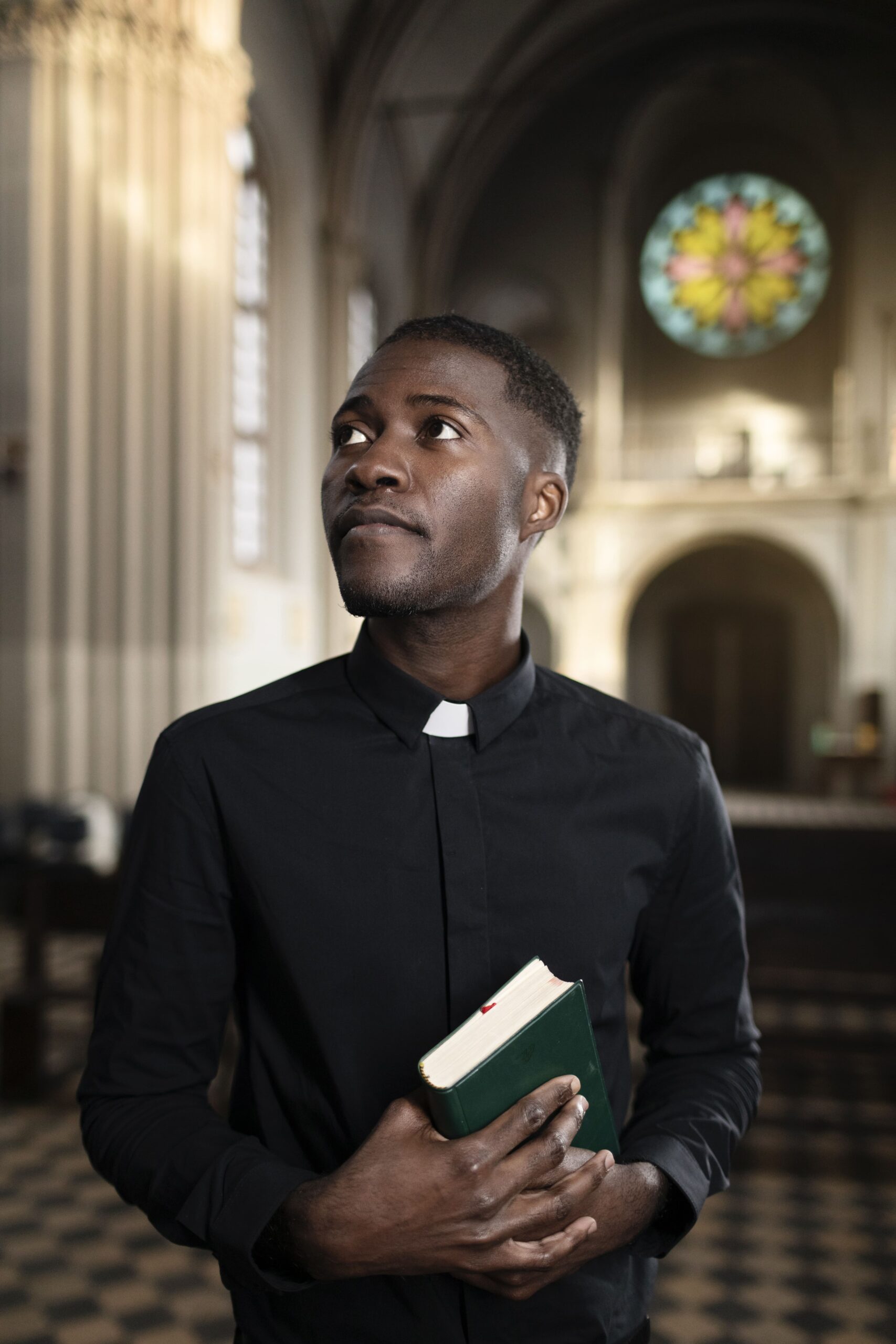
Many cancer patients in Nigeria present very late at hospitals for treatment. Studies have shown that the delay is due to the belief that their cancer disease is of a spiritual cause. This study aims to explore the opinions of religious leaders and seminarians in Ibadan City, Oyo State, Nigeria, on the top five aetiology/risk factors of cancer. Methods: A cross-sectional study was done among 302 religious leaders and seminarians in Ibadan. Study tool was an anonymous questionnaire. Data collected was analysed using SPSS version 16 software. Results: The top five cancer aetiology/risk factors, as indicated by the respondents, were

Authors:

Badru, A. I., Kanmodi, K. K., Ogundipe, P. A., Owadokun, A. M. & Adesina, M. A.
Year:

Sakkiya treatment in northern Nigeria: any existing scientific literature?

Traditional medicine is a popular practice in Nigeria. One of the popular traditional “surgical” care of body swelling in northern Nigeria is Sakkiya. Sakkiya is a Hausa word which means “the act of puncturing a body swelling with a hot pointed metallic tip, for the purpose of achieving a cure”. Interestingly, author has seen quite a number of clinical cases associated with Sakkiya. This study aims to review the existing literature(s) on Sakkiya treatment, and to give a breakdown of the existing research works that had been done on this area so far. An online search of PubMed, Scopus, CINAHL,

Authors:

Kanmodi, K. K.

Year:

The Sakkiya doctor and the Sakkiya clinic: Findings from a field work

Sakkiya treatment is a form of traditional care in northern Nigeria. The description of the place, where, and how Sakkiya is done has yet to be unraveled. Objectives: To investigate where Sakkiya is done. To also interview who does Sakkiya and how the Sakkiya is done. Methods: This study was a qualitative field research work which was done in a village in Sokoto State, Nigeria. This study involved a face-to-face oral interview with the head of the blacksmiths in the village visited. Data was obtained on the biodata of the interviewee, his experience on Sakkiya treatments, and a description of

Authors:

Kanmodi, K. K., Almu, B., Sani, S., Ibrahim, S.

Year:

Cause for concern on the negative health implications of the traditional Sakkiya treatment: Evidence from a survey of clinicians domiciled in a northern Nigerian academic hospital

The traditional medicine men are one of the commonly patronized healthcare service providers in Nigeria. In the northern Nigeria, there is a popular traditional treatment for body swellings called Sakkiya in Hausa language. This treatment involves the use of a hot pointed metallic tip to puncture a body swelling. This study aims to explore the clinical experience of clinicians domiciled in the Usmanu Danfodiyo University Teaching Hospital, UDUTH, Sokoto, North-western Nigeria, on the Sakkiya cases they have seen in their practice. Methods: This study surveyed a cross-section of 120 nurses, dentists, medical doctors, and community health extension workers (CHEWs) in

Authors:

Kanmodi, K., Ndubuizu, G., Owoeye, O.

Year:

Sakkiya Research: A call for multidisciplinary collaborations

Research, according to the Merriam Webster Dictionary, can be defined as the investigation or experimentation aimed at the discovery and interpretation of facts, revision of accepted theories or laws in the light of new facts, or practical application of such new or revised theories or laws. Research is a scientific process, through it many discoveries had been made and many human problems had been solved. In fact, the importance of the roles scientific research in the sustenance of human existence cannot be overemphasized... As a scientific researcher, with background training in medical sciences, education, and political science, I have experienced

Authors:

Kanmodi, K. K.

Year:

Sakkiya and orthodox medicine in Nigeria: A compared narrative

History forms the bedrock of everything. Everything has its own history. In fact, Nigeria has its own history. Interestingly, there exists comprehensive historical documentation on the evolution of Orthodox and traditional healthcare services in Nigeria. On the other hand, virtually no comprehensive literature had ever been written on the history of Sakkiya practice in northern Nigeria despite the old long age of this traditional practice in this region of Nigeria. This paper thereby gave a compared narrative on the pre-colonial, colonial and post-colonial evolution of Orthodox medicine and traditional medicine (with focus on Sakkiya care in northern Nigeria) in Nigeria;

Authors:

Adesina, M. A., Kanmodi, K. K., Fagbule, O. F., Bello, A.

Year:

Sakkiya practice in the ‘north’: A gaze into the past, the present, and the future

Since the time a clarion call was made on the need to research into the traditional Sakkiya practice in northwestern Nigeria no study had been conducted to review the existing research works that had been done thereafter. This study was conducted with the aim of reviewing the literatures written on Sakkiya practice so far. Methods: This study involved a literature review of all available online relevant literatures on Sakkiya practice up till June 30, 2018. Papers on Sakkiya practice were obtained from online research databases. Results: Only six relevant literatures were obtained for this study...

Authors:

Kanmodi, K. K., Oluwafisayo, T. T., Adesina, M. A.

Year:

Sakkiya training and practice: A brief research report

Sakkiya care is a popular traditional practice in northern Nigeria; however this practice has been under-researched in the field complementary and alternative medicine. This study aims to provide a brief report on Sakkiya training and practice in a village in northern Nigeria. Methods: A focus group interview with nine blacksmiths with experience on Sakkiya care was undertaken at a village in Sokoto State, Nigeria. The demographic profiles of the interviewees were analyzed quantitatively while the transcripts were analyzed qualitatively. Results: The mean age of the interviewees was 36.7 years, and all of them were Hausas. Training on Sakkiya was reported

Authors:

Kanmodi, K. K., Almu, B., Sani, S., Ibrahim, S., Owadokun, A. M., Adeniyi, O. R., Adeogun, B. A.

Year: